A letter to our customers
It began with a soap dish mold
Two generations in manufacturing in Wuhan
Hello, and thank you for reading.
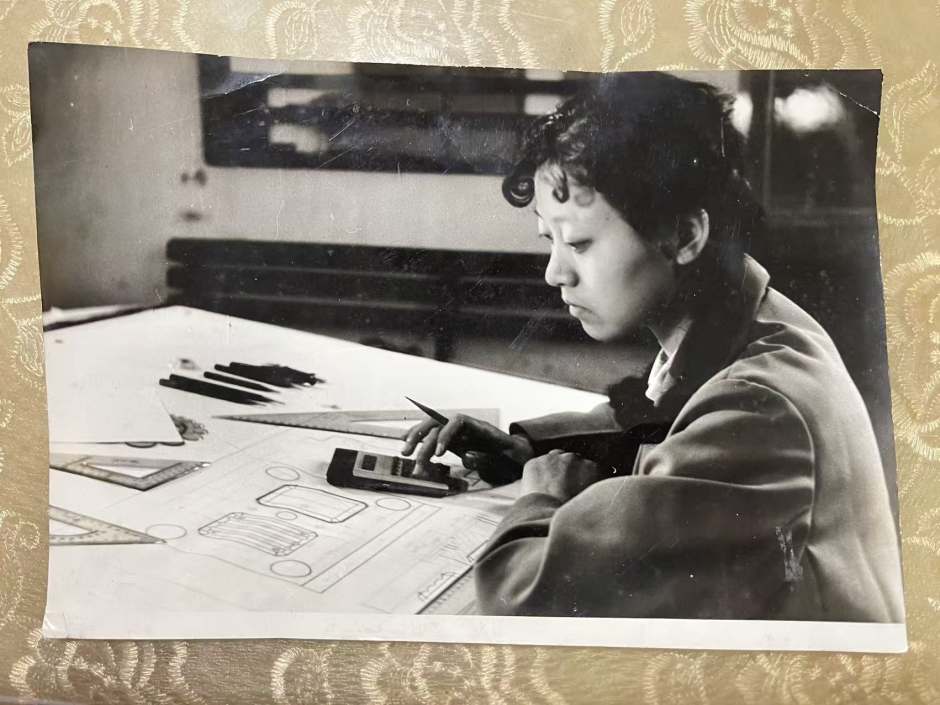
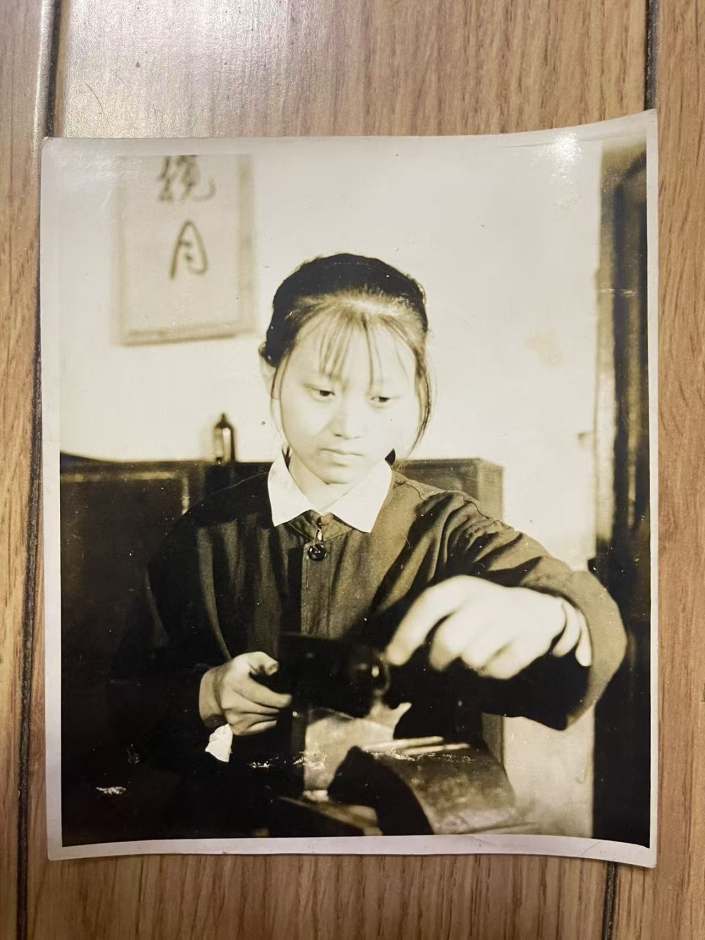
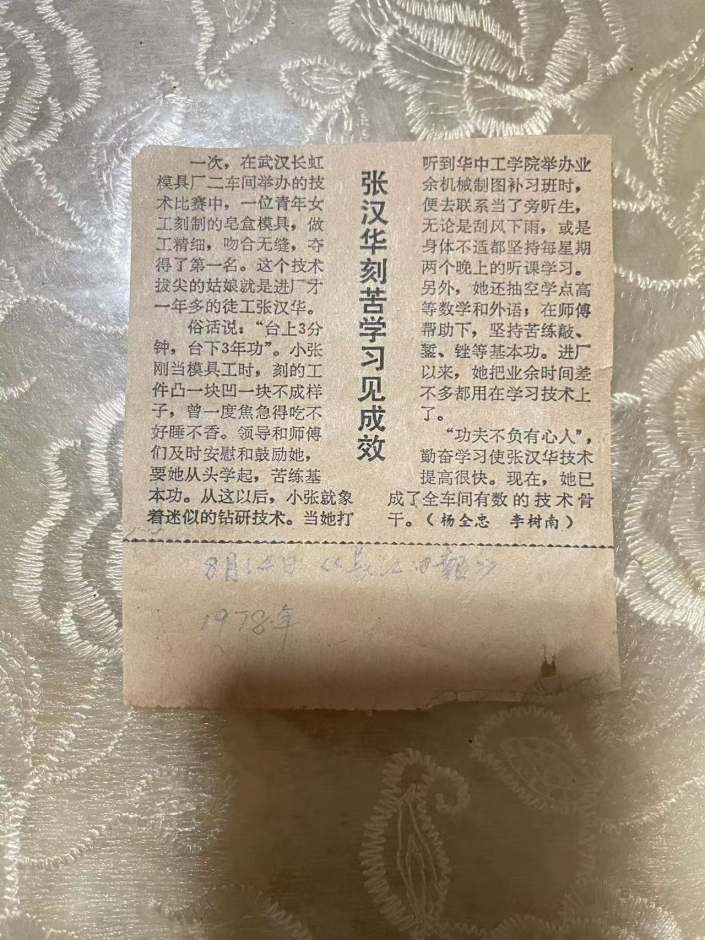
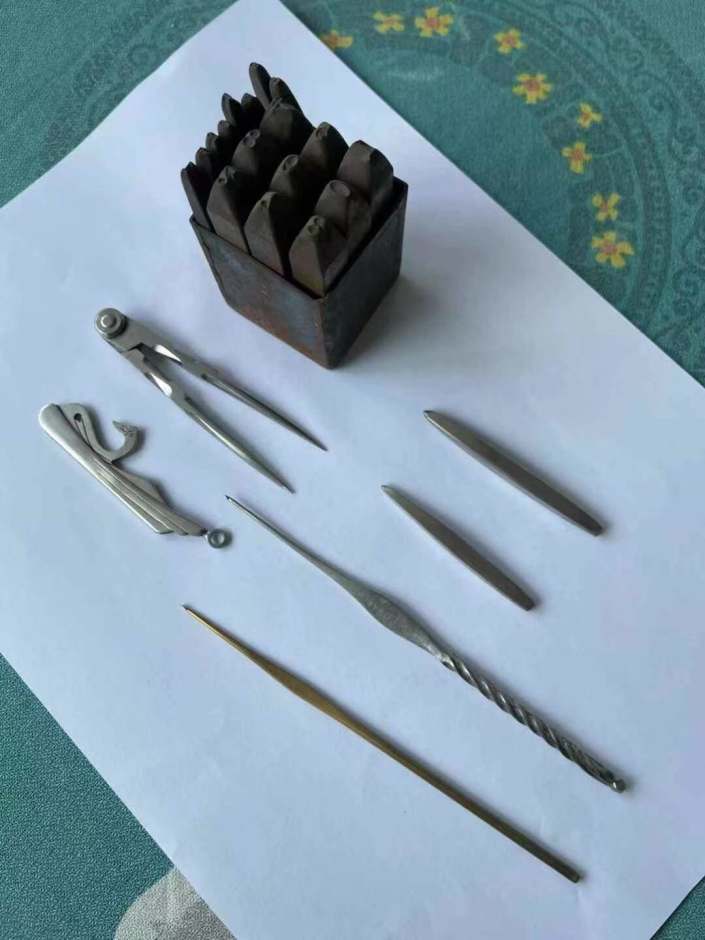
I am one of the founders of YFD. My mother recently brought out several photographs from work, a set of drafting tools, and an old newspaper clipping. The clipping describes a soap dish mold she made as an apprentice. YFD did not yet exist, and my parents worked at different factories. How our family came to make molds and injection-molded parts together in Wuhan begins with how each of them learned their trade.
Learning the craft on the shop floor
My mother joined Wuhan Changhong Mold Factory as an apprentice fitter. She remembers that few experienced fitters took on women as apprentices at the time. Her early workpieces came out uneven, so her teacher had her practice the fundamentals again. According to the family clipping, after just over a year at the factory, she won first prize in a Workshop No. 2 skills competition with a soap dish mold. The clipping also records that she attended mechanical drafting classes as an auditor at the Huazhong Institute of Technology two evenings a week.
The factory had a place in China’s plastics tooling industry. In 1988, Australian plastics molding expert Kenneth Hayes signed a contract to operate its mold-base branch. Xinhua reported it at the time as the first case of a foreign expert taking a contract to operate a Chinese enterprise. People’s Daily, March 21, 1988, page 3 (Chinese)
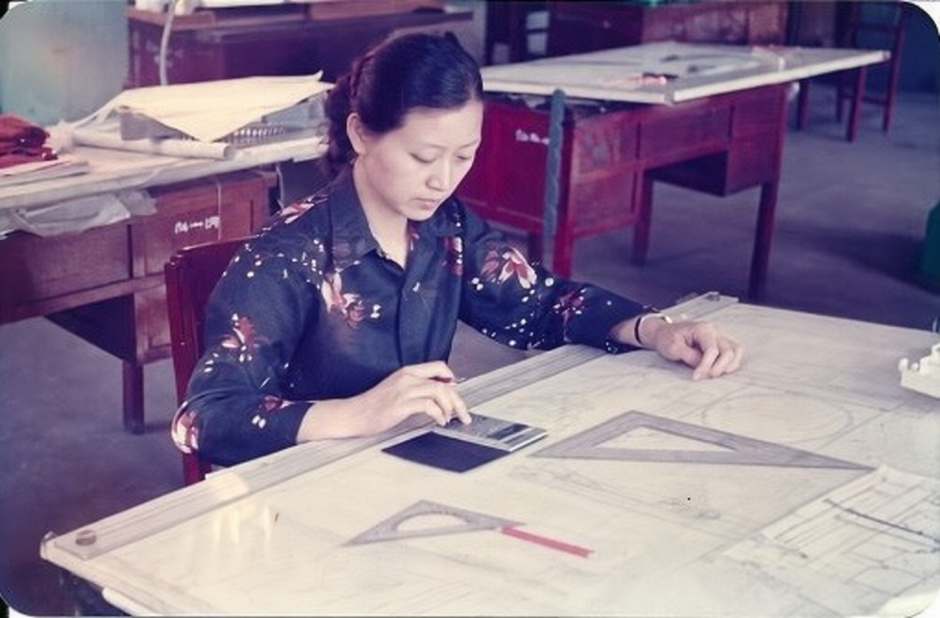
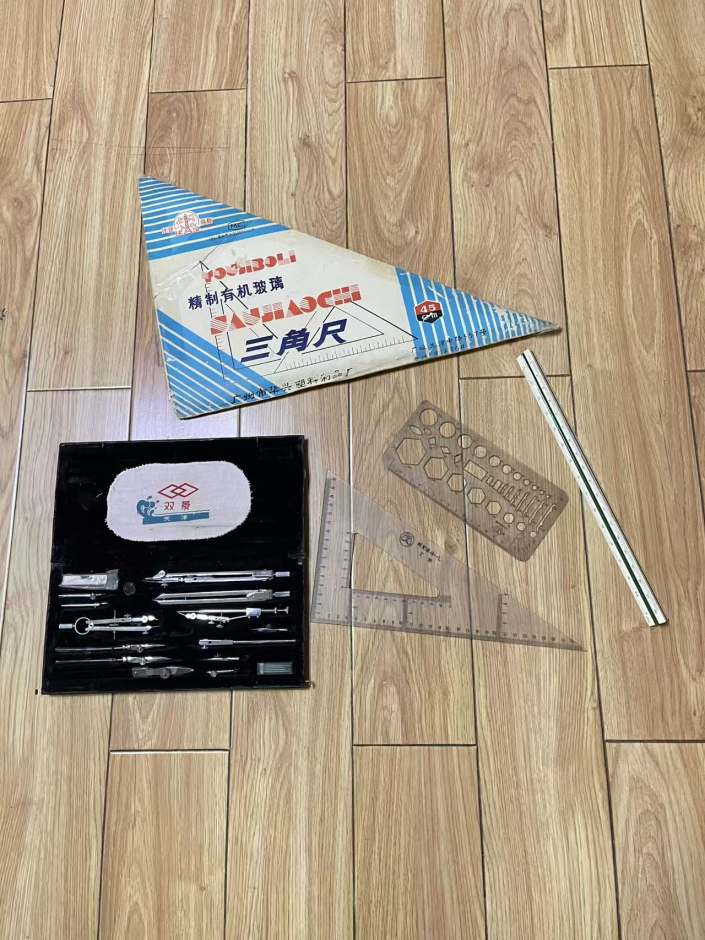
My mother later moved from the shop floor into mold design. Her compasses are still in their case, and the set squares still have their paper packaging. Having worked at a bench vise before moving to the drawing board, she could think through how a feature would be machined and how the pieces would fit together. As she approached forty, she began learning computer-aided drafting. The tools changed, but the fundamentals she learned in the workshop still mattered.
Two factories, one shared path
My father worked for Wuhan Plastics Group and served as director of its No. 15 and No. 8 plastics factories. His work took him across plastics materials, molding processes and factory production. Looking at a drawing, my mother would think first about how to build the mold. Looking at the same part, my father would consider the material and what might happen during molding. When they began working on projects together, those perspectives complemented each other.
As state-owned enterprises in Wuhan were being restructured in the 1990s, my mother left Changhong and started Hengtai Mold with several experienced tradespeople. My father joined Hengtai after the restructuring. The team began with moldmaking and later added injection molding. Some issues become apparent only when a mold is tried. It helped to be able to look at the tool design, material and molding process together.
Starting a second business in 2013
Hengtai later formed a joint venture with a state-owned enterprise. After the agreed term ended, my parents and I founded Yifeide Plastic Mold in Wuhan in 2013. It was our family’s second venture in manufacturing. My parents brought what they had learned in their factories and at Hengtai, and I had the chance to carry on the work alongside them. My father supported me on materials and processing, and my mother helped oversee mold design and manufacture.
We began working with French companies in our early years and later took on projects for Japanese companies. Over time, serving customers overseas became a central part of our business. When working across languages and distances, it helps to agree on drawing requirements up front, explain clearly what a trial has revealed, and communicate early if a delivery date changes. I have come to see that following through on these details matters throughout the relationship.
The day I returned to the workshop
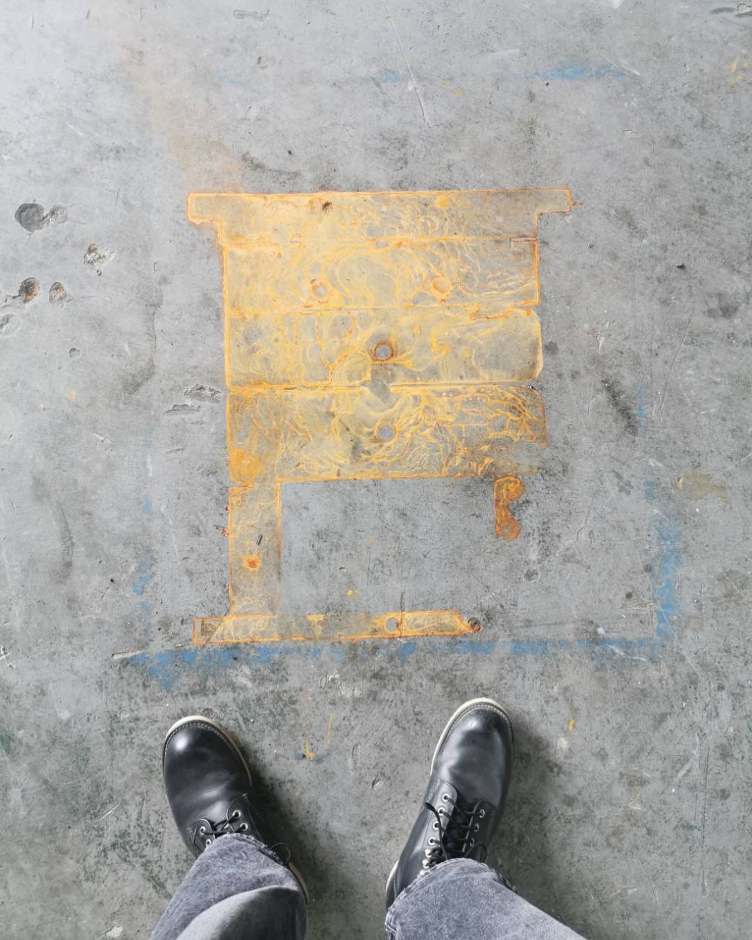
COVID-19 brought challenges we had never faced. Our factory stopped for a period, and planned production and deliveries had to be rescheduled. In March 2020, I returned to our factory in Wuhan and saw a rust mark on the floor, left by a mold that had sat untouched for two months. I looked down and took a photograph. It still reminds me of all the work we had to get going again, one job at a time.
After reopening, we continued with the projects in hand and checked what could resume at each stage. If something changed, we told customers as early as we could. We focused on getting each job right as it resumed. That experience gave me a more practical understanding of what keeping a commitment means when the original plan has fallen apart.
The automotive industry has changed. We are still doing this work.
The automotive industry has changed quickly. Part requirements evolve, and projects come with different volumes and delivery schedules. We still make molds and injection-molded parts in Wuhan. On every project, we keep refining how design, machining, molding and inspection work together. What my parents learned at those two factories still helps us today.
I look at value across the project, from the mold to delivery. Before we start a tool, we discuss the part geometry, material and estimated volumes to choose a suitable mold and process. If a trial exposes a problem, our tooling, molding and inspection staff can investigate together and use measurements to check the adjustment. Some customers need modest quantities but consistent delivery from batch to batch. We take those projects seriously.
If you are planning a plastic part and have a drawing but are still deciding on material or the first production quantity, we would be happy to talk. We can look at those questions together and see what it will take to make the part.
A co-founder of YFD